While traditional assets such as stocks and bonds have a well-deserved place at the core of countless investment portfolios, investors are often advised to allocate at least some of their investments to alternative assets. Among them, collectibles sit at the intersection of potential financial gain and genuine love and interest more than any other asset type.
In this article, we’ll examine how to invest in collectibles and answer questions such as:
- Which assets are considered collectibles?
- What are the benefits of investing in collectibles?
- Why can investing in collectibles be risky?
- What drives the value of collectibles?
What Are Collectibles?
Almost any tangible item you can purchase with the expectation that it will increase in value over time due to its rarity and other factors can be considered a collectible. The actual items people invest in as collectibles range from the seemingly mundane, such as comic books, to the luxurious, such as blue-chip art, and include:
| Type of Item | Examples |
| Fine art | Paintings, sculptures, prints, drawings |
| Cars | Classic cars, sports cars, limited-edition vehicles |
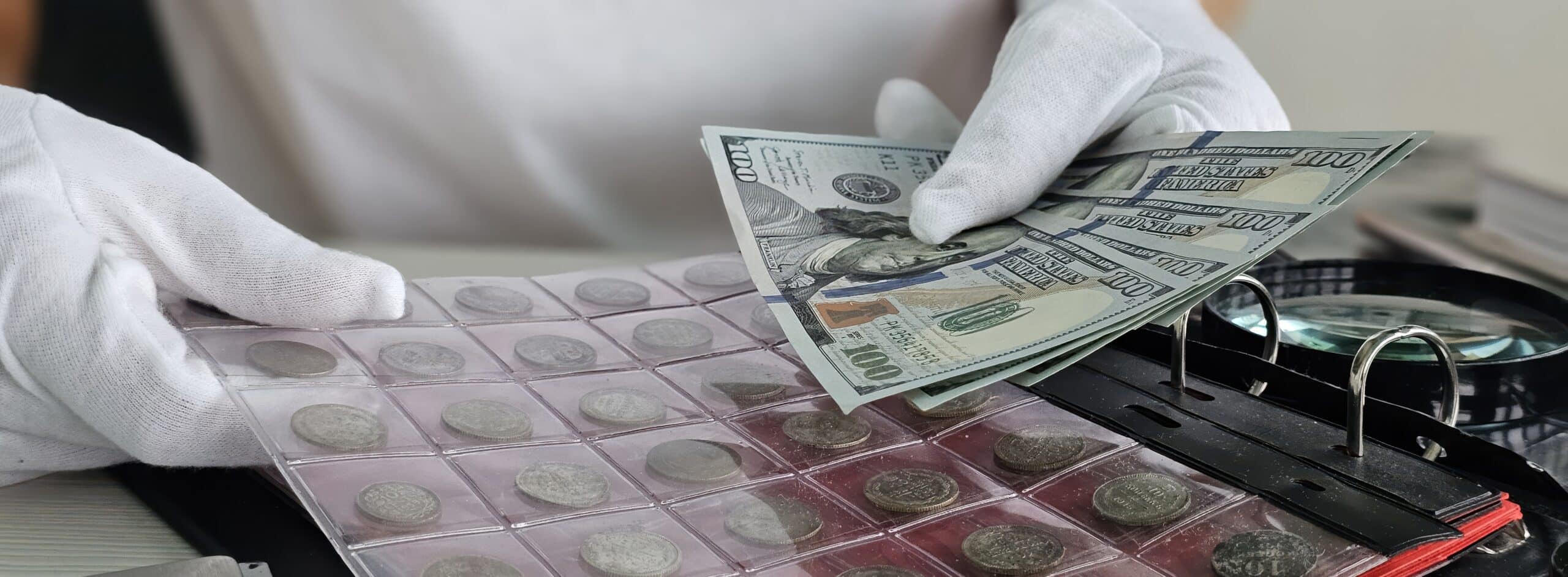
| Coins and currency | Gold coins, rare coins, historical banknotes |
| Wine and spirits | Fine wine, rare whiskey, collectible cognac |
| Luxury goods and fashion | Designer handbags, limited edition sneakers, watches |
| Prints and manuscripts | Comic books, first edition books, historical manuscripts |
| Sports | Trading cards, signed equipment, game-worn items |
What Drives the Value of Collectibles?
The major factors that affect the value of collectibles include:
- Condition
- Rarity
- Provenance
- Authenticity
- Market trends
Condition
Condition is one of the most important factors influencing the value of in-demand collectible items. Any physical damage can significantly decrease the item’s value and liquidity, as buyers typically prefer mint-condition items or those that show minimal signs of wear or use.
Some types of collectibles can be graded using a condition grading scale. Grading is typically done by independent appraisal bodies, and it involves assigning a numerical value to an item based on standardised criteria that serve as a descriptor of its condition. This procedure is common in trading cards, comic books, and coins.
As an owner, you might be able to personally restore or improve the condition of your collectibles. However, doing so may affect their authenticity, so the restoration process is best left to professional restorers.
Rarity
On its own, rarity doesn’t guarantee a high price for a collectible. However, if the collectible is in high demand, the fact that there are only a few of them can be a major contributor to its value.
Collectibles can become rare by:
- Being produced in small quantities
- Having their numbers reduced over time by destruction, loss, or natural material degradation
- Being produced with a mistake that increases collectors’ interest in it (the Inverted Jenny, a 1918 US postal stamp with a defect that affected only 100 stamps, was sold for more than USD 2 million)
Provenance
Provenance is the documented history of the item that includes information such as:
- Previous ownership and storage records
- Places where it was exhibited
- Previous sales and purchases
Provenance is especially important when a previous owner was a notable person, such as a celebrity or a historical figure. Documenting that kind of ownership can increase both the item’s appeal to other collectors and its value.
Authenticity
Authenticity affects both price and liquidity of a collectible. Documents such as certificates of authenticity, provenance records, or independent authenticity reports reduce the uncertainty regarding the item’s legitimacy, making buyers more confident in their purchase.
Market Trends
The impact of other value drivers can be limited or even negligible if there isn’t demand for the item. Demand, in turn, is influenced by various factors that can affect market trends, including:
- Cultural moments that make some items more relevant
- Nostalgia cycles that revive interest in collectibles associated with certain generations or time periods
- Social media and influencer activity that increases the visibility of items
- Collector trends that can shift attention towards or away from certain types of products
Why Invest in Collectibles: The Benefits
Collectibles are alternative assets with market drivers that generally don’t overlap with traditional assets. This can help you diversify your portfolio to protect against downturns in the traditional markets.
Collectibles also have the potential to generate returns. The Knight Frank Luxury Investment Index, which tracks the market movement across several categories of luxury collectibles, showed a 10-year increase of 38.6%, and more than 110% for specific classes of items.
The variety of items that can be considered a collectible makes them a very accessible asset to invest in. There’s no investor threshold for collectibles as a whole, and you would need investor accreditation only when investing in very specific vehicles, such as art investment funds.
Finally, investing in collectibles allows you to explore your personal passions. While actually using the items you invest in can reduce their value due to regular wear and tear, you can still find enjoyment in owning the items, connecting with a community of other collectors, and expanding your knowledge in the areas that interest you.
Risks of Investing in Collectibles
While investing in collectibles can be beneficial, it’s very important to consider the potential downsides and risks this investment pathway may bring. These include:
- Market volatility
- Illiquidity
- Lack of income generation
- Associated costs
- Counterfeits
Market Volatility
Collectibles in general are notorious for market volatility, with values subject to shifts in demand, collector preferences, and economic conditions. The Knight Frank Luxury Investment Index illustrates this volatility in the luxury collectibles sector: between Q1 2022 and Q2 2024, the index swung from +19.07% to -8.26%, before reaching -0.4% in Q4 2025.
These fluctuations show how quickly market conditions can change, even in a sector that appreciates over the long term. In other sectors, limited price transparency and transaction frequency make it challenging to gauge broader market movements and current market value, further adding to the complexity of investing in collectibles at a profit.
Illiquidity
Collectibles don’t have the liquidity of traditional assets, making it challenging to sell them quickly at fair market value. This can work in your favour if you’re the buyer, or against you if you’re the seller.
While liquidity may vary between different types of collectibles, some of the reasons why collectibles as a whole can exhibit liquidity issues include:
- A small market that only gets smaller the more niche or luxury your collectibles are
- A difficult purchase decision process that includes due diligence
- Challenges with valuing an item due to market fragmentation and subjective factors
Lack of Income Generation
Collectibles typically don’t generate income. The common way to profit by investing in collectibles is to wait until they appreciate in value and then sell them; however, thanks to market volatility and illiquidity, even that can be challenging.
Some types of collectible assets, such as fine art or historical items, can generate income through rental or licensing. Since handling collectibles can damage them and reduce their value, you should carefully weigh the financial benefits against the risks, and ensure the item is properly insured before leaving your care.
Associated Costs
Investing in collectibles can be expensive. Beyond the costs of purchasing the items, you may be subject to authentication fees, dealer markups, or auction fees.
There are also the costs of keeping collectibles, such as:
- Storage costs: Since collectibles’ condition directly affects their value and liquidity, these items are typically stored in environments with controlled light exposure, humidity, temperature, and increased protection against mechanical damage
- Insurance: You can insure your collection against different types of damage, including fire, flood, and accidental breakage, as well as events such as natural disasters and theft
Counterfeits
Counterfeits and forgeries are a major issue when investing in collectibles. While recognising that an item is counterfeit or forged may sometimes require assistance from authentication professionals, you should also be on the lookout for the following signs of counterfeits:
- An extremely low asking price for the item
- No certificate of authenticity
- An unknown seller, or a seller that cannot be vetted
How To Get Started With Investing in Collectibles
Investing in collectibles requires a certain amount of expertise, so your first step should be to choose one to three collectible categories that interest you and learn as much as you can about them. You can research historical market movements, learn about in-demand items, and identify how and where the purchases occur.
Next, you should set the investment amount you are willing to spend on collectibles. Keep in mind that they shouldn’t overtake the safer assets in your portfolio, and that they can lock up your funds for a long time without generating income or being easily sold.
There are a couple of different methods of investing in collectibles:
- Direct ownership is where you outright purchase an item and take physical ownership of it
- Collectible funds that provide exposure to assets without having to arrange for their storage
- Fractional investment, where you purchase a share in a collectible, allowing you to invest in expensive items such as blue-chip art at a fraction of the cost
Once you determine the investment method, you should also consider whether you’ll need storage. If building a dedicated storage facility is not practical, you can rent it from companies that specialise in collectible storage. They can offer climate control, security, and access to viewing rooms, depending on what your collectibles require.
Beyond Collectibles: Other Ways To Diversify Your Investment Portfolio
While purchasing collectibles can help you diversify your portfolio while pursuing a passion, other alternative assets might bring you other benefits. The following assets can, for example, help you generate income as well:
- Real estate
- Private credit
- Farmland and timberland
You can add another layer to your diversification strategy by investing in assets abroad. This can help protect your wealth in case of market downturns, regulatory or tax pressure on your investments, or political turmoil at home.
Investment in foreign assets can also come with the benefit of becoming a resident, or even a citizen, of the host country. Diversifying your tax jurisdictions can be extremely useful for minimising your tax burden, provided you select the right jurisdiction and manage the relocation properly to avoid administrative hurdles. For help with planning and realising your strategy, contact Nomad Capitalist.
Plan Your Cross-Border Diversification With Nomad Capitalist
Nomad Capitalist is a consultancy company that specialises in international mobility and asset protection. We’ve helped more than 1,500 clients reach their financial and lifestyle goals by obtaining a second residency or citizenship, identifying investment opportunities abroad, and using legal means to reduce their tax liabilities.
Our core service is the Action Plan, a step-by-step blueprint for achieving our clients’ international objectives. We create each Plan in close cooperation with our clients to ensure that the guide we create is built specifically for their current situation, needs, and desired timeline.
Here’s what partnering with Nomad Capitalist looks like:
- We ask you to fill out a form to help us determine whether we’re a good match
- We schedule a 45-minute call to learn more about your situation and needs
- Your case manager creates an Action Plan and presents it to you for approval
- We implement the Plan over 12 months and manage the administrative side
- You continue receiving support from us even after the Plan is implemented
If your interest in diversification includes becoming a resident or a citizen of a tax-friendly country, Nomad Capitalist can help you navigate every part of the process. We can assist in selecting the destination country, inform you about possible tax implications of your move, and provide administrative support throughout the process of obtaining residency or citizenship. To diversify your international options, contact Nomad Capitalist today!